


Looking for Support for Patient Care? Here are the 5 Types of Nursing Beds
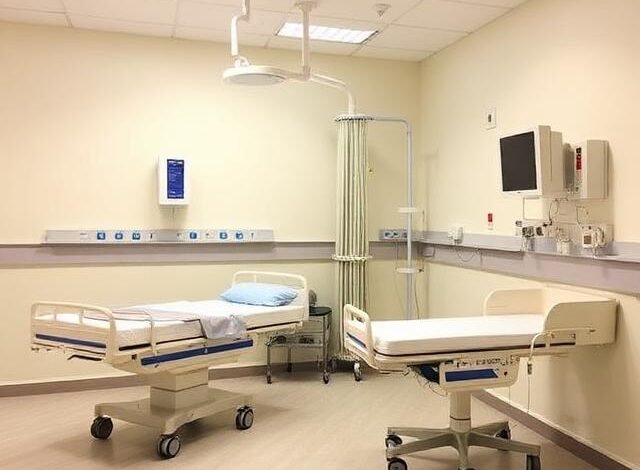
A hospital bed is more than furniture. It is great for recovery as well as daily comfort. When you select the right bed, you directly impact patient safety and pressure sore prevention. It also makes caregiving much more efficient. The right height alone can save a nurse from chronic back pain. Here are five common types you will find in nursing environments today.
Manual Hospital Beds
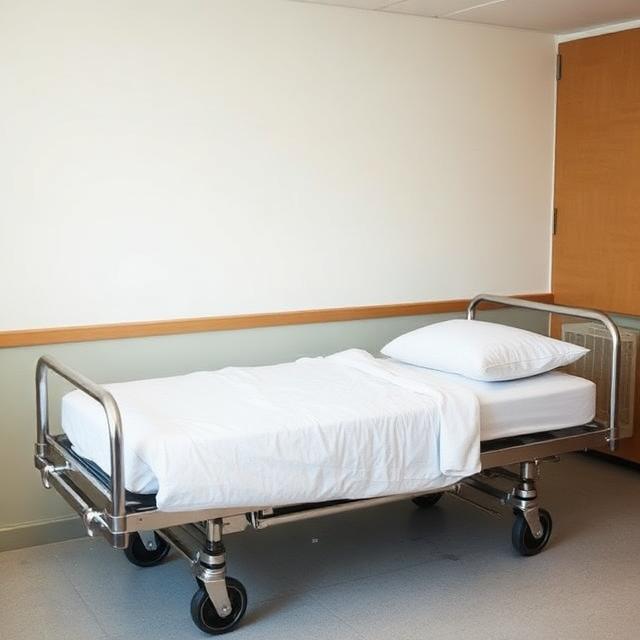
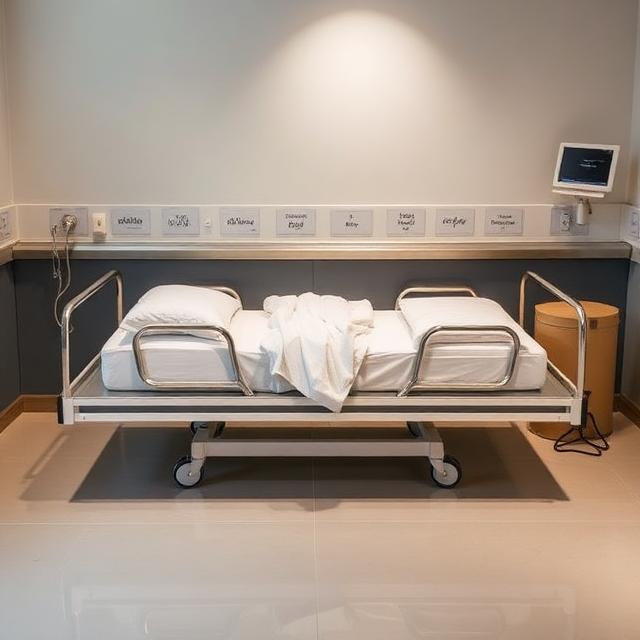
Manual beds use hand cranks located at the foot or head of the frame. You physically turn these cranks to adjust the bed height or the elevation of the head and foot sections. These are a reliable choice when you have a limited budget or work in a facility with unreliable power. They work best for patients who do not require frequent position changes throughout the day.
Semi-Electric Beds
A semi-electric bed is a hybrid. It uses a motor to move the head & foot sections. However, you need to use a manual crank to adjust the frame’s height. This setup strikes a balance between cost-effectiveness and patient independence. Your patient can sit up or raise their legs using a remote, while you handle the height adjustments when necessary.
Fully Electric Beds
In a fully electric model, every movement happens at the push of a button. You can adjust the height, head, foot, and even specialised angles like the Trendelenburg position via a remote. These beds significantly reduce physical strain on nursing staff during transfers. It often helps them feel more independent during their stay since the patients control their own position.
Multi-Function Obstetric Beds
A delivery bed is a highly specialised tool for the labour, delivery, and recovery process. These units feature integrated leg supports and telescopic frames that adapt to the mother’s needs. You can remove the foot section to turn the bed into a birthing chair in seconds. They also include ergonomic handles to provide support during active labour. This design ensures a smooth transition from resting to clinical procedures without moving the patient to a different surface.
Low Beds (Fall Management)
Low beds are designed to sit very close to the floor. It is only some inches away. Suppose a patient rolls out of bed. The short distance to the floor minimises the risk of a serious injury. Despite their low cost, they still offer the same clinical functions as standard electric beds.
Choosing the Right Bed
| Manual Bed | Best for budget-conscious home care or stable patients |
| Semi-Electric | Good for patients who want to sit up independently but have a fixed height need |
| Fully Electric | Essential for high-dependency wards and frequent repositioning |
| Obstetric Bed | Mandatory for maternity units &LDR rooms |
| Low Bed | Vital for fall prevention and memory care units |
The bed you choose depends entirely on the clinical environment. A general ward might only need standard electric frames. At the same time, a maternity unit requires a specialised delivery bed for safety. Prioritising both patient comfort and clinical accessibility ensures better outcomes for everyone involved. You can find high-quality medical furniture tailored to these needs at United Poly.
FAQs
Is there any difference between a fowler bed &a plain bed?
A Fowler bed has a perforated top that allows multiple back and knee rest positions. On the other hand, a plain bed remains flat and is used for basic recovery.
Are electric hospital beds safe during power cuts?
Most modern electric beds come with a battery backup or a manual override crank so you can still adjust the patient’s position safely.
How does a delivery bed help during labour?
It features adjustable sections &supports that let a mother stay in one place for labour or delivery. This reduces the stress of moving.
Also Read: Revolutionizing Obstetric Care: The Role of Delivery Bed Manufacturers