


The Significance of Grease Traps in Kitchen Management
The purpose of a grease trap for kitchens is to capture fats, oils & grease from wastewater before they enter the drainage line. If you do not have one, FOG solidify in pipes. It results in foul odours as well as blockage. Every commercial food facility that handles high-volume cooking waste needs a reliable grease management system.
Running a busy commercial kitchen means dealing with large quantities of wastewater every single day. That wastewater carries food solids, cooking oils, and grease that your drainage system simply cannot handle on its own.
Preventing Costly Plumbing Blockages
When hot grease leaves your kitchen sink, it cools down quickly inside the pipe. It solidifies, sticks to the walls, and gradually narrows the drain capacity.
A commercial grease trap intercepts this waste at the source. It separates food solids and FOG from the water before they travel further into the drainage system. The result is free-flowing drains and far fewer emergency plumbing calls during your busiest service hours. Your kitchen keeps moving without unexpected downtime.
Pollution Control Compliance is Non-Negotiable
In India, the Central Pollution Control Board (CPCB) and State Pollution Control Boards (SPCB) require commercial food businesses to treat their kitchen wastewater before it enters municipal drainage networks. This applies to restaurants, cloud kitchens, banquet halls, hospitals, hostels, and food courts without exception.
Operating without a certified Oil and grease trap for kitchens puts your business at risk of fines, notices, and, in serious cases, forced shutdowns. Getting a compliant system installed means your kitchen management team focuses on food and service, not paperwork and penalty responses.
Better Kitchen Hygiene & No Foul Odours
Stagnant grease inside pipelines decays over time. That decay produces strong, persistent odours that spread through your kitchen and into dining areas (something no customer or staff member should have to tolerate).
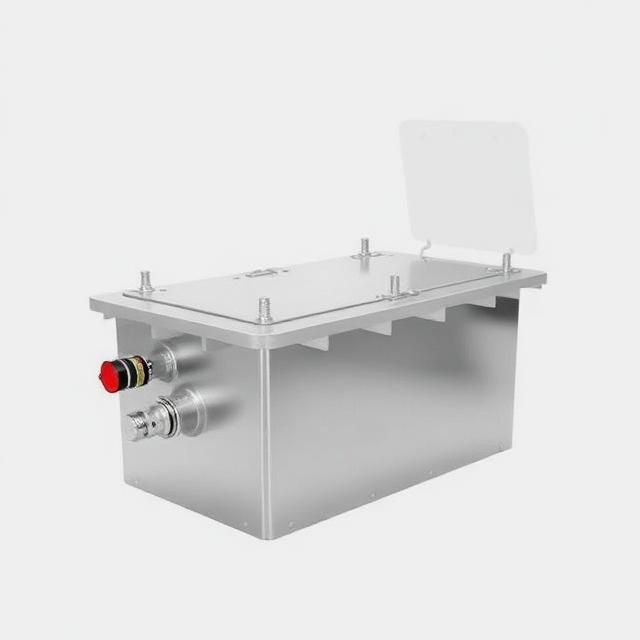
A grease separator built from SS 304 stainless steel isolates this organic waste effectively. The corrosion-resistant build handles hot and acidic kitchen waste without degrading. Your kitchen stays cleaner, and your staff works in a more sanitary environment every shift.
Matching the Right Unit to Your Kitchen
Every kitchen has different space constraints and wastewater volumes. Picking the wrong size means either frequent overflow or wasted capacity.
Under-Sink Models
These compact units fit beneath single or double bowl sinks. They suit areas where floor space is limited, like-
• Small cafes
• Independent bakeries and
• Cloud kitchens
Free Standing Units (Above the Ground)
Medium sized restaurants use these for simpler access during cleaning & routine maintenance.
Underground Heavy-Duty Separators
Large hotels, shopping mall food courts, hospital canteens, and industrial kitchens need high-capacity underground grease interceptors that handle tens of thousands of litres of wastewater daily.
Selecting the configuration of a grease trap for kitchens from the beginning reduces maintenance costs while keeping your drainage performing consistently. Green Genra manufactures CPCB & SPCB compliant stainless steel grease traps for kitchen setups of each scale.
FAQs
Which food businesses need to install a grease trap?
Any commercial food operation, including-
• Restaurants
• Hotels
• Canteens
• Hostels
• Cloud Kitchens &
• Banquet Facilities
This must run a compliant grease trap system.
Why do commercial kitchens prefer SS 304 stainless steel grease traps?
SS 304 cam resists rust. It also handles high temperatures. The best part is that it requires minimal maintenance.