




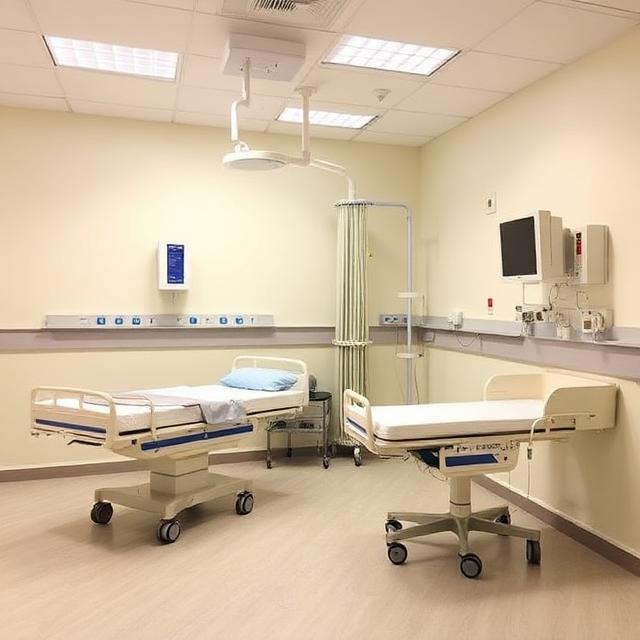
What to Look for in a Hospital Furniture and Equipment Supplier
Healthcare facilities run on more than skilled staff and good intentions. The furniture and equipment behind every ward, theatre and reception desk plays a role too. Choosing the right hospital furniture and equipment supplier shapes how well a facility functions, day after day.
Why the Right Supplier Matters
A hospital bed isn’t just a bed. It’s where recovery happens, where nurses adjust positions, where families sit through long nights. The same goes for stretchers, trolleys and examination tables.
From safety risks to maintenance headaches- poor quality will create problems through daily operations. That’s why hospitals & clinics need a hospital furniture and equipment supplier who understands these stakes.
What Quality Hospital Furniture Should Offer
Comfort matters, but so does durability. Furniture in a busy ward gets used constantly (often around the clock), and it needs to hold up. Look for products built with hygiene in mind. Remember that infection control depends partly on materials that clean easily or resist wear.
Beds with adjustable functions can help staff place patients in the safest way possible. Not only do they reduce the strain on both sides but also maintain safety in the long run. Trolleys as well as carts need smooth movement, sturdy wheels alongside enough capacity for medicines or instruments without becoming cluttered. Examination couches & delivery tables require precision (particularly where patient positioning affects clinical outcomes).
Range and Customisation
Every facility has different needs. A small clinic and a multi-speciality hospital won’t order the same furniture, and a good supplier should offer flexibility rather than a one-size-fits-all catalogue. This includes beds, operation tables, stretchers, cabinets, cupboards and miscellaneous ward furniture alongside options to customise specifications for particular departments or budgets.
Customisation isn’t a luxury here. Intensive care units need different features than general wards. Paediatric spaces need furniture scaled and designed for children. A supplier who offers this range saves facilities from juggling multiple vendors just to furnish one building.
ISO & Other Standards
Check for ISO standards & FDA registration when choosing a hospital furniture and equipment supplier. They reflect manufacturing processes that meet safety as well as quality benchmarks recognised across the industry. A supplier with a long track record alongside export experience across multiple countries usually brings tested reliability. That’s something worth checking before you commit.
Making the Right Choice
Price matters, naturally. However, the affordable option often costs more later (through repairs, replacements or compliance issues). Weigh cost against build quality, after-sales support and how well the supplier understands healthcare environments specifically (not just general furniture manufacturing).
Reliable hospital furniture and equipment supplier partnerships tend to last years. This matters when facilities expand or need replacements. United Poly brings decades of experience manufacturing or supplying quality hospital furniture.
FAQs
What furniture is for a new hospital?
Beds, examination tables, trolleys, stretchers and storage cabinets form the core requirements, alongside seating and ward furniture for patients and staff.
How often should hospital furniture be replaced?
It depends on usage & wear (though most facilities review furniture condition every few years to maintain safety as well as hygiene standards).
Also Read:Top 16 Most Common Surgical Instruments Every Medical Student Must Know